October 12, 2026



Two folding tables, a borrowed grill, and a stretch of closed asphalt — that's the whole recipe. The rest is logistics, and logistics are what decide whether a neighborhood afternoon becomes a fixture on the calendar or a one-time experiment nobody wants to repeat.
Hosting a block party in The Hall isn't complicated. Most of the work happens before the first cooler appears. Here's the practical checklist, in the order you'll actually need it.
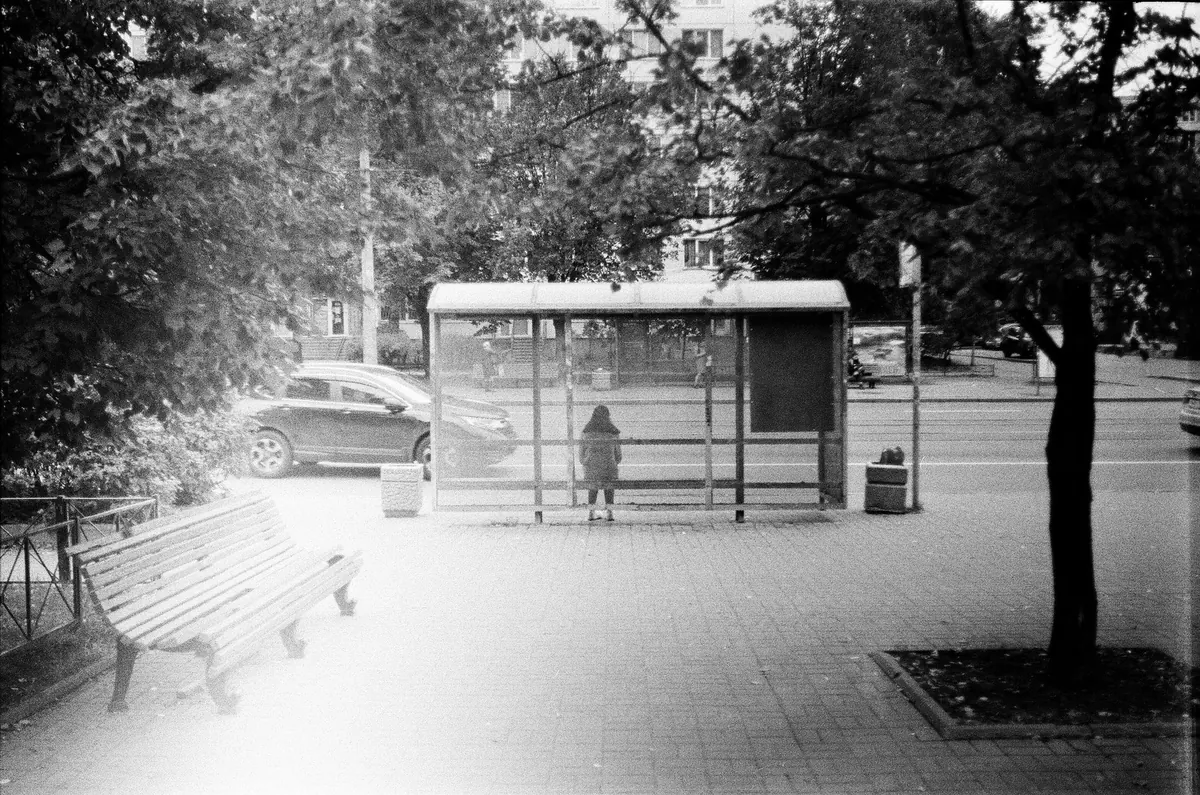
Pick a date that doesn't fight the rest of the calendar. Check school events, graduation weekends, the trash schedule, and whatever the neighborhood already does on Sundays. Set a rain date at the same time, so you're not negotiating later. Then walk the block with a notebook and sketch it: driveways, fire hydrants, the bus stop, awnings, low branches where a tent would snag, and the shadiest stretch of sidewalk.
Recruit two or three co-hosts and attach a name to each job. "Someone should handle permits" means nobody handles permits. "Dana handles permits by the 15th" means it gets done. Decide how you're telling people, too — paper flyers on doors still work in The Hall, and so does a group chat. Use both.
The short version, if you read nothing else:
Start with one phone call to your city or county — special events, parks and recreation, or public works, depending on how your area is organized. Ask plainly: Does a block party on a residential street require a permit? Is there a fee? Is anything needed in writing for amplified music, a bounce house, a food truck, or alcohol?
Rules vary from one jurisdiction to the next, and they can shift depending on whether this is a private gathering of neighbors or an event you're advertising around town. A party that stays on your block and stays among the people who live there is usually simpler. Invite a band, post flyers across the county, or let someone sell food, and expect more paperwork.
Ask about turnaround time and get the answer in writing — an email is enough. Keep the approved permit on your phone and a printed copy in the cooler. If your municipality requires proof of insurance for a street closure, that's a conversation with your insurance agent rather than a guess. When it comes to permits, liability, or anything with legal weight, a five-minute call to the office that issues them and a licensed professional beats a citation on the day.
This is the part people underestimate. Cones alone don't stop a delivery van. Ask what your city provides — many will drop off barricades and signs if you request them in advance — and rent or borrow whatever is missing.
If your city wants the fire department or police notified, do it, and keep those numbers handy on the day.
Your homeowners or renters policy may cover a neighborly gathering on the street, but "may" is not a plan. Call your agent and ask specifically about an event in the public right-of-way. Alcohol, inflatables, vendors, and crowd size are the details that change the answer, and special event liability coverage is often modest compared with the risk. That's a judgment call for a professional, not a neighbor with strong opinions.
On the ground, keep it basic and boring: a stocked first-aid kit, a list of neighbors who know CPR, a fire extinguisher near the grill, and coolers that actually keep cold food cold. Never run a generator or grill inside a garage or tent. Tape down cords that cross a walkway.
Potlucks fail in two directions: nine desserts and no sides, or a table of dishes half the block can't eat. Assign categories instead of leaving it open. Last names A through H bring a main, I through P a side or salad, Q through Z a dessert. Ask people to label dishes with common allergens, and note them on the sign-up sheet so nobody has to interrogate the potato salad.
Then handle the unglamorous
Photo: cecigre / Pixabay

News and updates from the hall community.
Copyright © 2026 The Hall Times. All rights reserved. The Hall Times.