October 12, 2026



Most neighborhood watch groups in The Hall start over something small. A car door checked at 2 a.m. A package lifted off a porch. A streetlight that has been out for months. Someone mentions it at the bus stop, someone else says "we should do something about that," and then nothing happens — not because people don't care, but because nobody is sure what the next step actually is. This guide is that next step. Organizing a watch costs nothing, requires no badge and no formal paperwork, and takes about three weeks of casual effort to get off the ground. The hard part isn't starting. It's keeping it going past the first couple of meetings.
A watch is not a patrol, and it is not a citizen's arrest squad. Members watch, notice, and report. Police respond and investigate. Mixing those roles is how groups get someone hurt or sued.
The real value shows up on ordinary nights. When neighbors know each other, they know what belongs on the street — which car is the teenager's, which contractor is working three houses down, when someone's shift ends. That's why a useful report sounds like "a gray pickup with a ladder rack has been idling on Vine for twenty minutes and no one has gotten out," and not "there's a suspicious man outside."
The payoff is smaller than television suggests and more practical than slogans: fewer easy opportunities for theft, faster and better reports to police, and neighbors who can describe a vehicle with more than "a dark car."
One ground rule is worth printing and handing to everyone:
We observe and report. We do not follow, confront, question, or detain anyone.
If that rule ever starts to feel too restrictive, the group has drifted.
Big kickoff meetings look impressive and produce very little. Start with the two or three households closest to you — the people whose windows look out on the same stretch of sidewalk you do. Eight to fifteen households is a comfortable first cluster.
Once that group is meeting regularly, expand street by street. It makes more sense than inviting the whole neighborhood at once, because people will help with the block they can actually see. Pick a point of contact, one person willing to answer emails and keep the list. If the cluster grows, divide it into blocks of roughly ten households and ask one reliable person on each block to be the captain. Choose captains by reliability, not by volume.
Do the first round of invitations in person if you can. A flyer taped to a mailbox gets thrown away. A neighbor at the door asking for fifteen minutes gets a maybe, and a maybe is enough.
Call the non-emergency line for your district and ask for the community liaison or crime prevention officer. Say plainly that you're starting a watch group, how many households are involved, and what you need. Most departments have someone whose job includes this, and they can tell you what they want from residents: what details help a report, what the current concerns are on your street, whether an officer can attend a meeting, and whether there's an existing group nearby you should join instead of duplicating.
Ask one question directly: how do you want us to report things? You'll usually get a short answer — call 911 while it's happening, use the non-emergency line for something that's already over, and use the liaison for ongoing problems like repeated speeding or a persistent nuisance property. Write those answers down and repeat them at every meeting.
One thing never changes: if someone is in danger, hurt, or a crime is in progress, call 911. A watch group is not a substitute for that, and no one should ever be talked out of calling.
Book a room you can walk to — a library meeting room, a church hall, a community center, or a wide front porch in good weather. Aim for sixty to seventy-five minutes and end on time. People forgive a boring meeting. They do not forgive one that eats their evening.
A workable agenda:
Bring a sign-in sheet for names, street addresses, phone numbers, and email, and say out loud that the list stays with the group and isn't shared. Consent matters more than a complete list.
Pick one channel and stick with it. A group text works for a cluster of ten to fifteen. An email list works better once you pass twenty. Whatever you choose, write down a few rules so the channel stays useful instead of exhausting.
Keep the tone matter-of-fact. A group chat that turns into a rumor mill loses the people you most need: the ones who are home during the day, the ones who know everyone, the ones who will actually make the call.
Visibility walks, if the group does them at all, happen in pairs, in daylight, on routes you know. Nobody approaches a stranger, follows a vehicle, or photographs a person to post online. If you're reporting from your phone, know where you are; the nearest cross streets are more useful to a dispatcher than a street name alone.
At home, the cheap measures still do the most work: motion lights over doors, bushes trimmed below window height, cars locked with nothing visible inside, packages brought in the same day or routed to a locker. If you're traveling, tell a neighbor and ask them to bring in the mail. Watch for the people who are easiest to miss — the older neighbor who hasn't put out the trash in a week, the person who lives alone and usually walks the dog at seven.
And if you're unsure about the legal side — recording in public, taking photos of people or property, what you can and can't ask someone to do — don't guess. Laws and local ordinances vary, so check with your police liaison, and for anything involving accusations, liability, or civil disputes, talk to a lawyer.
Watch groups rarely collapse in a dramatic way. They fade, one missed meeting at a time. The fix is low effort: a rotating host, a standing meeting night, and one seasonal event a year — a spring clean-up, a block party, a push to get porch lights on before winter. Once a year, reread the contact list and confirm it's current. Welcome new neighbors within a week or two of the moving truck, before they've decided this street keeps to itself.
Here's the whole thing in one list:
That's it. The Hall doesn't need another committee. It needs a few streets where people know each other's names, know what normal looks like, and know who to call when it doesn't. Start with your own block, and let it grow from there.
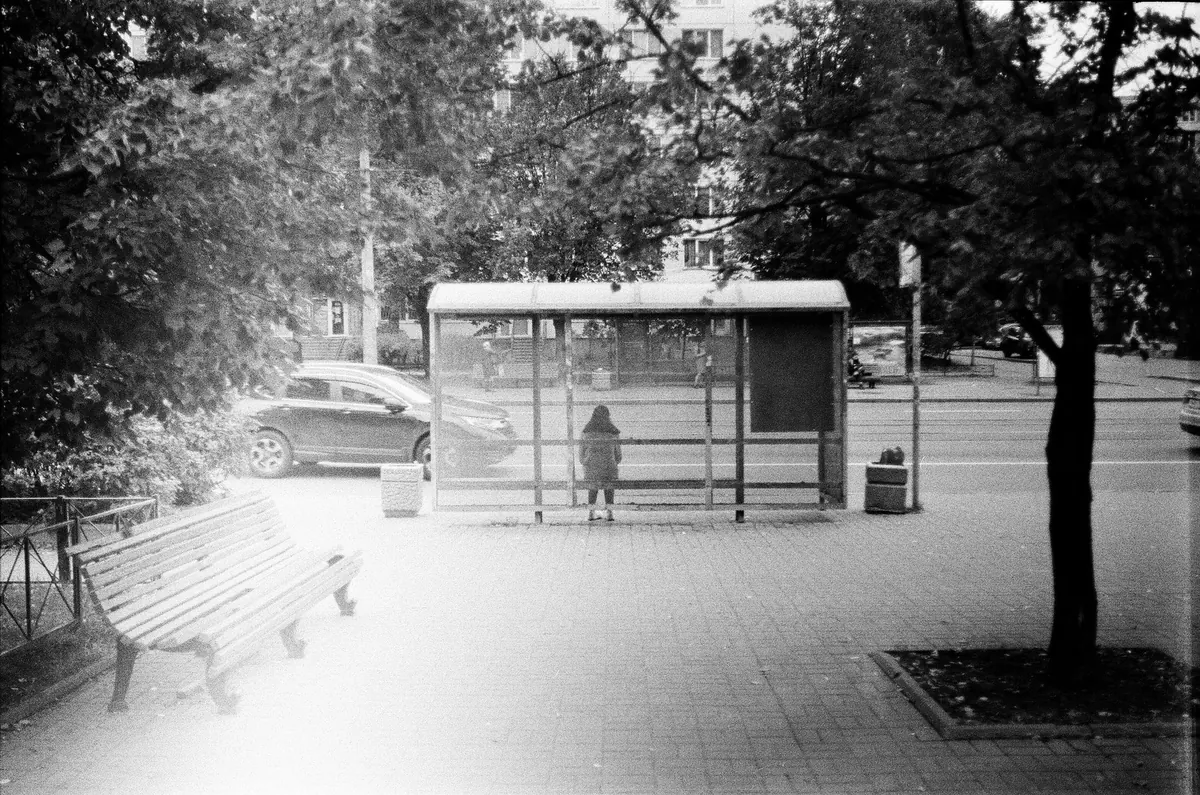
Photo: Yummymoon / Pixabay

News and updates from the hall community.
Copyright © 2026 The Hall Times. All rights reserved. The Hall Times.