October 12, 2026



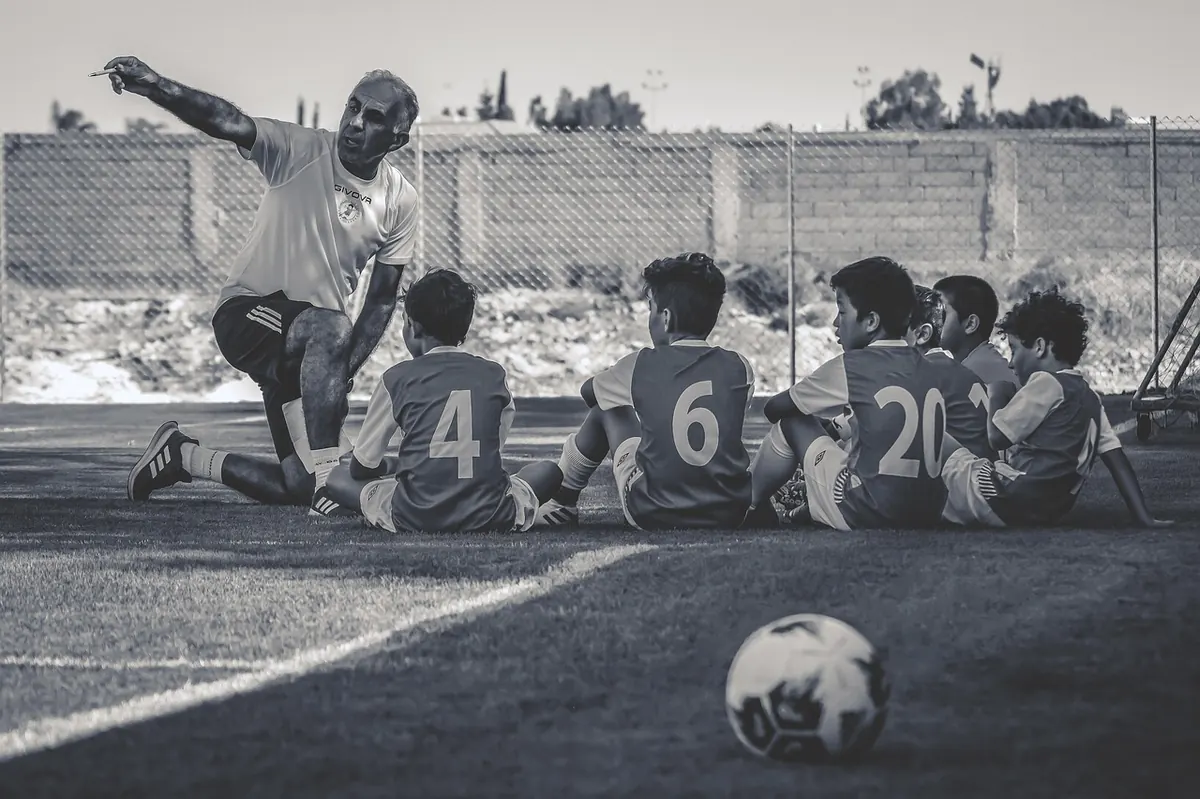
The registration email lands in the middle of summer. Fifty kids have signed up. Four coaches have. That math does not work unless another adult raises a hand, and if you have been waiting for a formal invitation to coach youth sports in The Hall, this is it. You do not need a former playing career, a whistle collection, or a binder full of tactical diagrams. You need a couple of hours a week, patience for chaos, and a willingness to learn in public.
Here is what the first season actually looks like, from paperwork to the final whistle of practice number one.
Strip away the clipboard and coaching is three jobs: keeping kids safe, keeping them moving, and keeping them coming back next season. Everything else is decoration.
For most recreational leagues, expect one or two practices a week, each running 60 to 90 minutes, plus a game on the weekend. Add fifteen minutes of planning before each practice and you are looking at roughly three to five hours a week. Seasons typically run eight to twelve weeks, with a two- or three-week stretch of practices before games begin.
That is not nothing. It is also not the second job some people imagine. The coaches who burn out are usually the ones who tried to run travel-team practices for a group of seven-year-olds.
For ages five through ten, the coach is mostly an organizer and an encourager. If you can explain one skill clearly, keep a line moving, and remember which kid is which, you are qualified. For older age groups, you should know the rules well and be comfortable correcting technique. If you are shaky on the sport itself, ask the league to pair you with an experienced co-coach. Plenty of parents start there and run their own team a year later.
Youth sports organizations have tightened their volunteer requirements, and that is a good thing. Expect most of the following before you are allowed on a field:
Start this in early summer. Background checks can take a week or longer, and no responsible league will let you supervise children alone before clearance comes back. Some leagues cover the costs; others ask volunteers to pay for their own certifications. Ask which, and ask whether the league reimburses training.
Requirements vary between parks departments, club leagues, and school programs, so confirm the specifics with your league director rather than assuming. If you have questions about your own insurance coverage or liability as a volunteer, those are worth asking the league directly and, where it matters, a professional you trust.
Most leagues will push you toward a coaching clinic or an online certification. Go, and bring a notebook. The good ones cover age-appropriate drills, how to run a practice when skill levels are wildly uneven, and how to respond when a kid gets hurt.
Two questions to ask at that clinic: What is the league's concussion policy, and what is the emergency plan at our field? You want to know who calls 911, where the nearest AED is kept, and where the closest emergency room is. If nobody can answer, ask for it in writing before the season starts.
Plan as if you have ten more minutes than you actually do. Everything takes longer with kids, especially the first week.
One more thing: learn every kid's name by the end of that first practice. It matters more than any drill you run.
Send a note before the first practice. In it, state your playing time policy plainly. In most recreational leagues the point is participation, and a common approach is that every player gets meaningful minutes and nobody sits an entire game. Say it once, in writing, and you will defuse most of the season's arguments before they start.
Ask for two volunteers in the first week: an assistant coach and a team parent. You need a second adult at every practice anyway, both for supervision and for safety, and a team parent can handle the schedule, the snack rotation, and the group text that never stops buzzing.
When a parent is upset, listen first, ask what they would like to see change, and follow up the next day when everyone has cooled off. That single habit prevents most problems from becoming league problems.
Call or email your local parks and recreation department, the club league, or the school program and say exactly this: "I'm interested in coaching this sport at this age group. What do you need from me, and by when?"
While you have them on the phone, ask three things. Do new coaches get paired with someone experienced? Is the required training paid for? And is there a coaches meeting or clinic before the season where I can meet everyone? If a full season feels like a lot, offer to co-coach or to run a Saturday morning clinic instead. Both are real help, and both are easier to say yes to.
The season starts whether or not you volunteer. The only question is whether the kids on your street get a coach who shows up, learns their names, and keeps it fun.

News and updates from the hall community.
Copyright © 2026 The Hall Times. All rights reserved. The Hall Times.